Floating vs Glued-Down Wood Floors: Pros, Cons and Common Myths
May 21, 2026
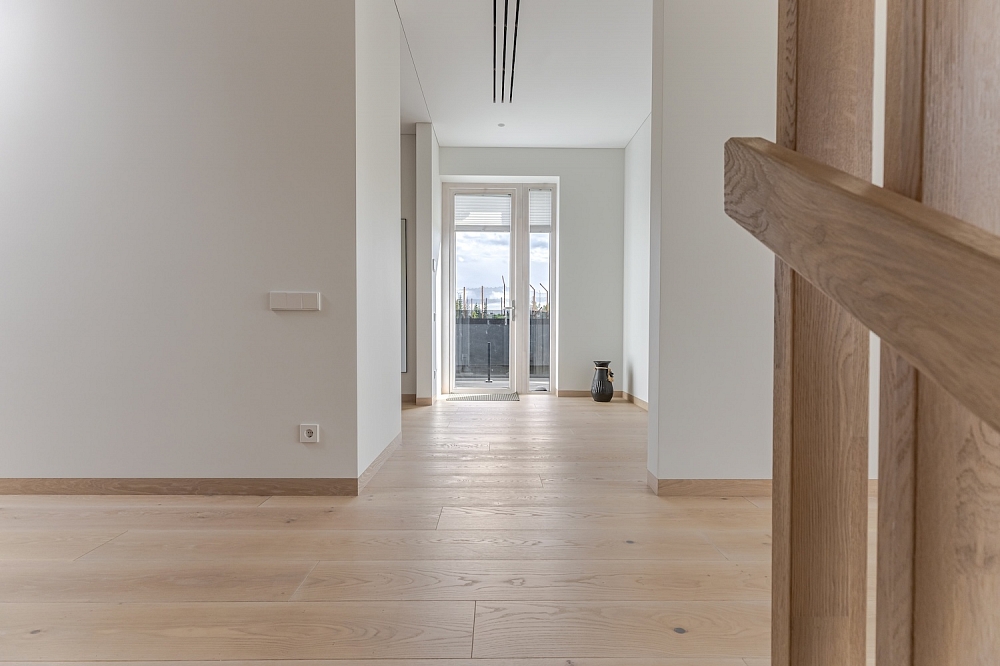
The popularity of floating floor installation has been driven by convenience and faster installation times. But if your builder or fitter is insisting on floating installation, it is worth thinking twice. Ecohardwood are flooring specialists, manufacturers, and suppliers of premium-quality wood flooring, and over decades of experience we have seen many homeowners regret choosing floating floors.
We have also noticed a growing trend: increasing concerns about indoor air quality, assumptions about flooring adhesives, and the desire for healthier homes have led many homeowners to believe that floating floors are automatically the better choice. While these concerns are understandable, many decisions are being made based on outdated information.
That is why we decided to write this article — to help homeowners make better-informed decisions. Flooring is a long-term investment, and if you want your floors to perform beautifully and potentially last for generations, the installation method matters just as much as the quality floor itself.
Floating installation certainly has its place, but it has also become surrounded by persistent myths. In this article, we examine the most common misconceptions about floating floors, explain the differences between floating and glued-down installation methods, and explore why Ecohardwood recommends glued-down hardwood flooring with modern low-emission adhesive systems for long-term performance, stability, longevity, indoor comfort, and healthier homes.
Myth 1: "Floating floors are easier to renovate"
Myth 2: "Glue is toxic — floating floors are healthier"
Myth 3: "Floating floors feel and perform the same as glued-down"
Myth 4: “Floating floors work just as well over underfloor heating”
Myth 5: "Floating floors are a great option to install over an existing floor"
What Is a Floating Floor?
A "floating floor" is any installation where planks are not directly attached to the subfloor. Instead, they click together using one of the floating floor installation systems and sit on top of an underlay or foam pad — floating as a single connected sheet that can expand and contract as a unit. This contrasts with glued-down installation, where planks are bonded directly to the subfloor with a structural adhesive, and nail-down installation, which mechanically fastens planks to a wooden subfloor.
There are three main floating floor installation systems used in wood flooring:
1. Click-Lock Installation
The most common modern floating system. Planks click together using a precision locking mechanism and sit over an underlay without being fixed to the subfloor. Fast installation and popular for engineered wood, laminate, and LVT.
2. Tongue-and-Groove (Glue Joint) Floating Installation
Boards are joined by applying adhesive into the tongue-and-groove connection between planks, while the floor itself still floats over the subfloor. The adhesive joins the boards together, not the boards to the subfloor. Less common today due to click systems.
3. Loose-Lay Floating Installation
Individual planks or panels rely on their weight, friction backing, or special underlay systems to stay in place rather than being glued or mechanically fixed. More commonly used for some vinyl and modular flooring systems than hardwood.
Floating became popular with the rise of engineered hardwood and laminate in the 1990s and 2000s. It is genuinely faster to install and requires less specialist skill. Those are real advantages. The problem is when they are overstated — and when false advantages are invented.
The Four Biggest Myths About Floating Floors
Myth 1: "Floating floors are easier to renovate"
Reality: Floating floors are often quicker and easier to install, but installation convenience should not be confused with renovation potential. The ability to renovate a hardwood floor depends on wear layer thickness, flooring construction and quality, and long-term stability — not simply whether the floor is floating or glued down.
This is one of the most damaging myths in hardwood flooring. Most engineered wood floors designed for floating installation have a wear layer of around 2–4mm. Because the floor is not fixed directly to the subfloor, slight movement and flex during sanding can create challenges, potentially causing uneven material removal and reducing refinishing quality. In many cases, professional floor sanders may be reluctant to refinish floating installations, particularly thinner constructions. Even when sanding is possible, thinner wear layers often limit how many times the floor can realistically be restored.
By contrast, a properly glued-down hardwood floor with a thick wear layer creates a stable surface that can often be sanded and refinished multiple times throughout its life. With proper maintenance, a high-quality glued-down floor can perform beautifully for decades, making it a long-term investment rather than a floor that may eventually require full replacement.
As for repairs, floating click systems are theoretically designed to allow board replacement. In reality, damaged planks are often located beneath furniture, thresholds, or door casings, meaning large sections may need to be dismantled before reaching the affected area. What appears simple on paper can become considerably more complex in real-world situations.
Myth 2: "Glue is toxic — floating floors are healthier"
Reality: Modern flooring adhesives have changed dramatically. The issue is no longer "glue versus no glue" — it is about choosing high quality, low-emission materials across the entire flooring system.
We understand where this concern comes from. Older solvent-based adhesives could contain higher VOC levels and stronger chemical compounds. However, modern professional flooring adhesives are very different, and the assumption that all flooring glue is toxic is no longer scientifically accurate. Ecohardwood recommends Stauf adhesives for glued-down hardwood installations. Stauf professional adhesive systems include products with EC1 PLUS certification — one of the highest standards for ultra-low VOC emissions in Europe. Low-emission adhesive technologies of this type are widely specified in environments with demanding indoor air quality requirements, including schools, hospitals, healthcare facilities, and care homes. This is a long way from the outdated perception that all flooring adhesives are toxic.
Importantly, choosing a floating floor does not automatically mean choosing a lower-chemical or healthier flooring system. Floating installations still rely on multiple materials, including underlays, foam layers, coatings, finishes, and core materials — all of which contribute to the overall indoor environment. In fact, some floating flooring systems also use adhesives, either within tongue-and-groove joints, integrated backing systems, or during parts of the installation process. Choosing floating over glued-down does not necessarily mean eliminating adhesives — it simply changes where and how they are used.
The important question is not: “Does it contain glue?” The better question is: “Are all materials in the flooring system designed for low emissions and long-term indoor air quality?”A glued-down, high quality hardwood floor installed with premium low-emission adhesive technology remains one of the best combinations of stability, longevity, performance, and responsible material selection.
Myth 3: "Floating floors feel and perform the same as glued-down"
Reality: Floating floors and glued-down hardwood floors can perform very differently underfoot. The difference is not a defect — it is simply how the installation system works.
Many homeowners say the first thing they notice with floating floors is a hollow sound and a less solid feel underfoot compared with a glued-down floor. In some cases, movement within the floor system can also lead to creaking, squeaking, or clicking noises over time. Because the flooring is not bonded directly to the subfloor, a small amount of movement or deflection can occur under foot traffic. This is a characteristic of floating systems rather than a sign of poor installation.
Over time, repeated movement may place additional stress on locking joints, particularly in high-traffic areas or rooms with changing humidity conditions. This can sometimes contribute to movement-related noises such as clicking or creaking. A glued-down floor behaves more as an integrated part of the building structure, generally creating a more solid and stable feel underfoot.
Myth 4: “Floating floors work just as well over underfloor heating”
Reality: Both floating and glued-down hardwood floors can be used with underfloor heating, but glued-down installation is often the preferred specification for optimal performance.
Underfloor heating relies on efficient heat transfer from the heating system through the floor surface. Because floating floors sit over an underlay layer, additional thermal resistance may be introduced, potentially reducing heat transfer efficiency depending on the underlay and flooring construction. By contrast, a glued-down hardwood floor is bonded directly to the subfloor, creating closer contact and often allowing more efficient heat transfer, faster system response, and improved temperature consistency.
Ecohardwood recommends glued-down installation over underfloor heating systems because it can provide greater stability, a more solid feel underfoot, and improved long-term performance when combined with appropriate flooring products and professional low-emission adhesive systems such as Stauf. Choosing high-quality, low-emission flooring materials and adhesives is particularly important with underfloor heating because continuous heating cycles can increase the release of indoor pollutants from poor-quality materials. VOCs are often referred to as a "silent indoor pollutant" because they are largely invisible and may remain unnoticed while affecting indoor air quality over time.
Myth 5: "Floating floors are a great option to install over an existing floor"
Reality: If your builder or flooring fitter is planning to simply float the new flooring over an existing floor — think again. While it may be easier, quicker, and potentially cost less upfront, short-term convenience should not drive a decision you will live with for decades.
We strongly recommend removing the existing floor and gluing the boards directly to the subfloor wherever practical. Underlay is not required, as the planks are bonded directly onto a properly prepared substrate. While this approach requires more labour, it remains the gold standard for a high-end hardwood floor installation.
That said, removing the existing floor is not always necessary. Provided the subfloor is sound, level, dry, and properly prepared, engineered wood flooring can often still be installed using a glued-down method directly over suitable existing surfaces. Many Ecohardwood clients choose to install directly over existing ceramic tiles or similar hard surfaces when the substrate meets the required technical standards.
The Honest Pros and Cons of Floating Wood Floors
Floating installation is a legitimate flooring method for the right applications. Here is a balanced assessment.
Genuine advantages:
- Faster installation with no adhesive curing time
- Lower upfront installation costs in many cases
- More suitable for DIY projects in appropriate spaces
- Useful for temporary spaces
Real disadvantages:
- More limited long-term refinishing potential depending on wear layer thickness and construction
- Can produce hollow sound and a less solid feel underfoot. Can lead to creaking, squeaking, or clicking noises over time.
- Additional movement may place more stress on locking joints over time
- May provide less efficient heat transfer over underfloor heating compared with glued-down installation
- Moisture-sensitive areas require careful product selection and installation design
- Not suitable for many parquet and complex pattern installations
- Long-term performance and restoration potential may be lower than premium glued-down hardwood floors
- Spot repairs can be more complex in real-world situations than marketing materials often suggest
The Rising Trend of Floating Floors — And What Many Homeowners Overlook
Ecohardwood has noticed a growing trend: many homeowners, particularly families with young children or people concerned about indoor air quality, are choosing floating floor installation specifically to avoid adhesives. The intention is understandable — but the assumption is often based on outdated information.
Modern flooring systems are made up of multiple components, including wood finishes, coatings, core materials, underlays, and installation products. Indoor air quality is influenced by the complete flooring system, not simply whether adhesive is used.
Choosing a floating floor does not automatically eliminate chemical exposure. Floating installations still include materials such as underlays, coatings, and engineered core structures, all of which contribute to the overall indoor environment.
If indoor air quality is genuinely the priority, the more important considerations are flooring quality, finish type, low-emission products, and responsible adhesive selection.
Ecohardwood's Recommendation
For most permanent hardwood flooring installations, Ecohardwood recommends a glued-down installation method because of its long-term performance advantages. Combined with a high quality hardwood floor, the result is a flooring that delivers greater stability, a more solid feel underfoot, efficient performance over underfloor heating, longevity and stronger long-term restoration potential.
If you are considering floating installation because you believe it is the healthier option, we encourage looking beyond the simple "glue versus no glue" discussion. Modern flooring systems involve multiple materials — finishes, underlays, core structures, and installation products — and indoor air quality depends on the complete system, not one component alone. With modern low-emission adhesive technology, choosing a glued-down hardwood floor does not have to mean compromising on indoor air quality or long-term performance. We recommend Stauf adhesives based on independent assessment of their technical performance and certified safety profile. This article represents our professional opinion based on industry experience and publicly available technical data from adhesive manufacturers, flooring associations, and indoor air quality research bodies.
Looking for Expert Hardwood Flooring Advice?
Ecohardwood is a specialist enginered wood flooring manufacturer and supplier in England committed to honest, expert guidance, responsible sourcing, and long-term flooring performance.
Explore our premium hardwood flooring collections or speak to our team about your wood flooring project and we will recommend the right flooring specification for your space, subfloor conditions, and long-term goals.
Visit the Ecohardwood showroom in Acton Town, London, to explore our full range of oak floors, oak doors, oak stairs, and oak wall solutions.